
Heating and Cooling for Phoenix Homes
Repairs, new systems and tune-ups for houses, townhomes and condos, and help with the decisions that come with them.
When you own your home, the choices about its heating and cooling are yours: when to repair the system, when to replace it and how to keep it going through the summer. We work on houses, townhomes and condos across Phoenix and the Valley.
Phoenix homes run from midcentury ranches to newer stucco builds, and in many of them the ducts run through the attic. In summer that attic gets hotter than the air outside, so a loose joint or thin insulation on a duct costs cooling before the air ever reaches a room.
What Each Kind of Home Tends to Need
No two houses are alike, but the type of home says a lot about the system inside it and where it wears first.
| Home Type | Common Systems | Common Needs |
|---|---|---|
| Single-family house | Split AC with a gas furnace, or a heat pump; the indoor unit in the attic, the garage or a closet | Tune-ups before the heat, capacitor and blower motor repairs, duct sealing in the attic |
| Townhome | Heat pump or split AC; the outdoor unit in a side yard, on a pad or on the roof | Clogged drain lines, tight spaces for a replacement, HOA rules on outdoor units |
| Condo | Heat pump with an air handler in a closet; the outdoor unit on the roof or a balcony | Filter and drain upkeep in the closet, roof access through the building, association approval for a new unit |
| Older home with ductwork issues | Original ducts in the attic, sometimes a packaged unit on the roof | Leaky or crushed ducts, rooms that never cool, duct replacement or a ductless head for one room |
Hot Rooms and Uneven Cooling
A bedroom at the end of a long duct run, a home office full of computers, a room over the garage or one with big west-facing windows: some rooms stay warm while the rest of the house feels fine.
Start with what you can check. Make sure the room’s vents are open and blowing, close the blinds on the afternoon side, and leave the door open if the room has no return grille of its own, since air that can’t get back to the system soon stops coming in.
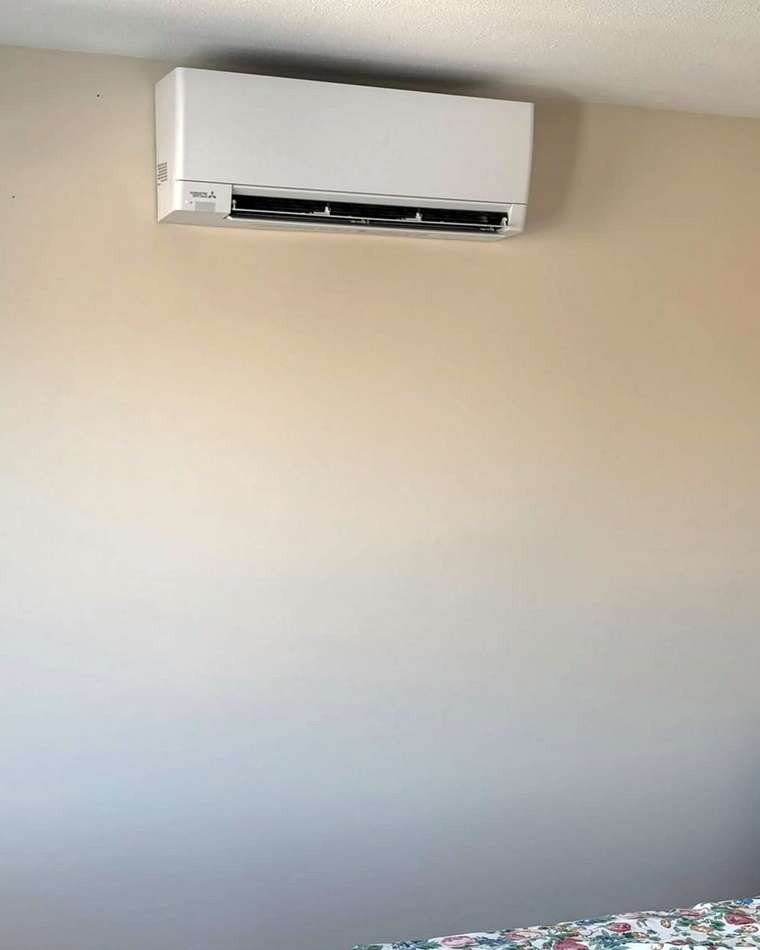
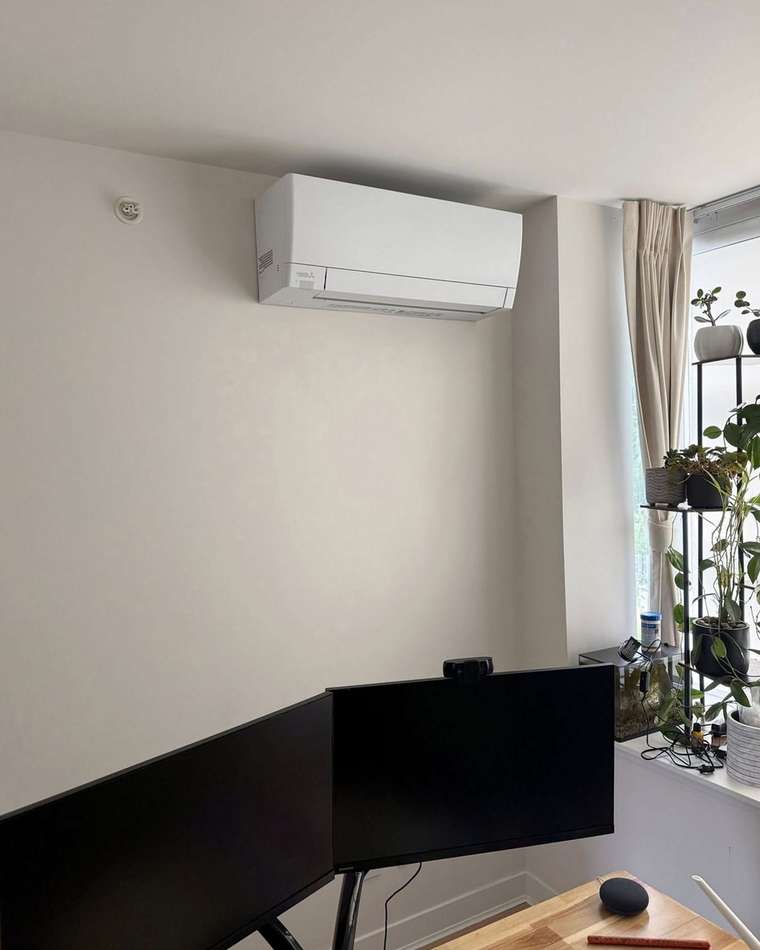
If the room is still warm, the trouble is usually in the duct that feeds it, or in how much air the room was given in the first place. When the ducts can’t carry enough, a ductless mini-split gives the room cooling and heating of its own.
Why is the upstairs so much warmer than the downstairs?
Heat rises, the upstairs rooms sit right under the attic, and in many two-story houses one system serves both floors from a thermostat downstairs. Once the downstairs feels right, the system shuts off with the upstairs still warm.
Sealing or resizing the upstairs duct runs can close the gap, and so can a ductless head in the warmest rooms or a separate system for the upper floor.
Should I close the vents in rooms we don’t use?
It’s better to leave them open. A central system is built to move a set amount of air, so closed vents don’t make it work less. They raise the pressure in the ducts, push more air out of any leaks in the attic and can slow the air over the indoor coil enough to freeze it.
Keep the supply vents and the return grilles open and clear of furniture, rugs and curtains.
Why does the house feel muggy while the AC is running?
Phoenix air is dry most of the year, but during the monsoon it carries much more moisture, and the air conditioner has to pull that water out as well as cool. If the thermostat’s fan is set to On rather than Auto, water left on the coil blows back into the house between cycles, so switch it to Auto.
If the house still feels damp with the fan on Auto, have a technician check the airflow and the refrigerant charge.
Signs It’s Time to Call a Technician
- The house can’t hold the thermostat setting on a hot afternoon.
- A room that used to be comfortable now runs warm.
- The system runs much longer than it did last summer, or starts and stops in short bursts.
- The outdoor unit or the air handler has a new sound: a hum, a squeal or a rattle.
- There’s ice on the copper lines, or water where the indoor unit or its drain line sits.
- You smell burning or hot wiring. Switch the system off at the thermostat first.
- A musty smell comes out of the vents when the system starts, or dust settles faster than usual.
- The heat runs on a cold night without ever warming the house.
- The system hasn’t had a tune-up since before last summer.
If the cooling has quit altogether on a hot day, there are a few safe checks to try first before you call.
If You Rent Your Home
Start with your landlord or property manager. The equipment belongs to the owner, and most leases say who arranges heating and cooling repairs and who pays for them.
Report the problem in writing as soon as you notice it: what the system is doing, when it started and whether the house is cooling at all. Keep a copy. If the owner asks you to set up the visit yourself, find out first who approves the work.
Some leases make filter changes the tenant’s job. A clogged filter is one of the easiest problems to rule out, so it’s worth a look while you wait to hear back.
Whether you own the house or rent it, call us about the system, or book a visit online.