
AC Installation in Phoenix
New and replacement systems sized to the house, from a whole-home heat pump to a single ductless head.
We install central air conditioners, heat pumps and ductless mini-splits, put in gas furnaces alongside a new air conditioner, and replace or seal ductwork. A new system here has to carry the house through a long, hot summer, so the size and the ducts matter as much as the equipment.
Kinds of Installation
A new system usually goes in for one of these reasons:
- Full replacement. The outdoor unit and the indoor coil are built to work as a pair on the same refrigerant, so both are usually replaced together.
- A new system for new space. A room addition, a garage turned into living space or a backyard casita can be more than the existing system and ducts can handle. A ductless mini-split or a small system of its own cools it without taking air from the rest of the house.
- An upgrade to higher efficiency. A working system can give way to one that cools with less electricity, such as a variable-speed unit that runs longer at low speed instead of switching on and off.
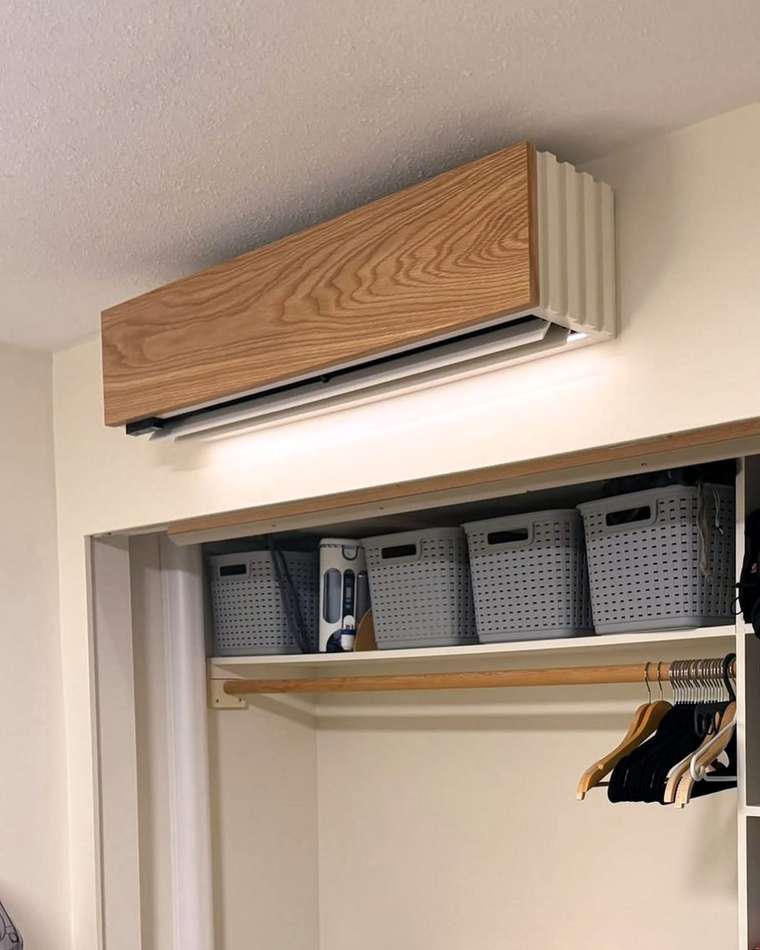
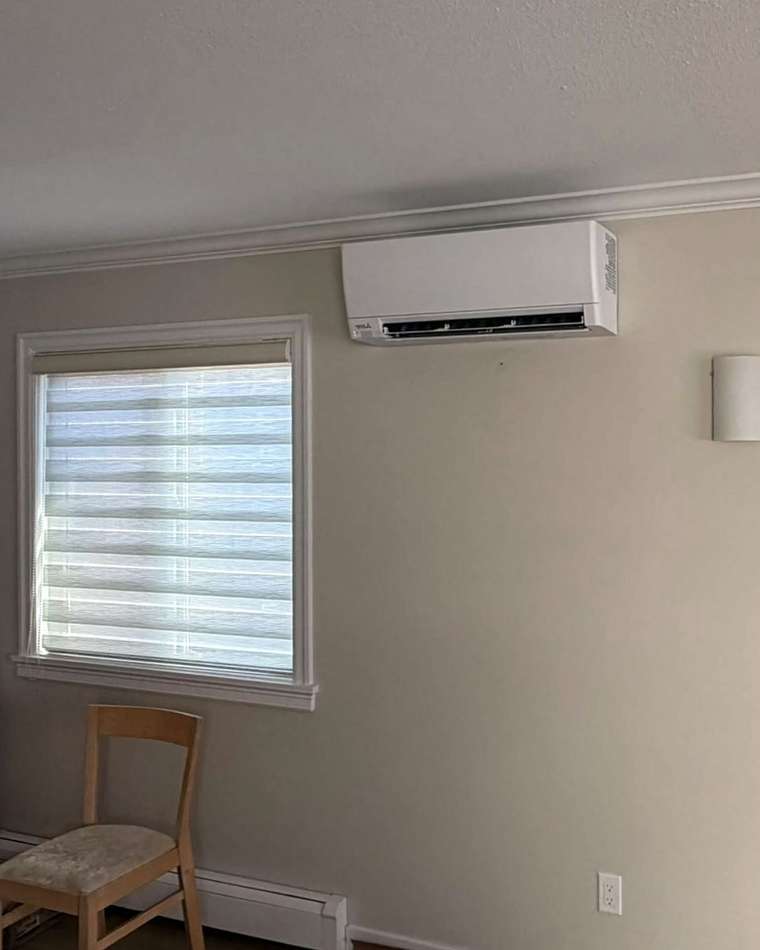
Ductless mini-splits need no ductwork at all. A slim head mounts high on the wall of the room it serves, the refrigerant lines and the drain run through the wall to the outdoor unit, and the head can take a cover that blends in with the room.
Sizing a New System
Air conditioners and heat pumps are sized in tons of cooling. A system that is too small runs without a break on the hottest afternoons and still falls behind. One that is too big cools in short bursts and wears out sooner.
A rule of thumb gives a first idea of the size. The final size comes from a load calculation, known in the trade as Manual J, made during the assessment at the house. It counts the floor area, the windows and the way they face, the insulation, the ducts and the people living there.
AC Sizing Guide
A rough tonnage range for a central system, from the size of the house and a few details. Nothing you enter is saved.
Enter the floor area, then press Show the Range.
Is a bigger air conditioner better for a Phoenix summer?
No. An oversized system cools the air around the thermostat fast and shuts off before the rest of the house catches up, then starts again soon after. Those short cycles wear the compressor and the electrical parts faster, leave the far rooms warmer and pull less moisture from the air on humid monsoon days.
Can the new system be the same size as the old one?
Sometimes, but check it first. The old size may have been a rough guess, and the house may have changed since: new windows, more attic insulation, sealed ducts or a room added on. The load calculation shows whether the same size still fits.
Duct Replacement and Sealing
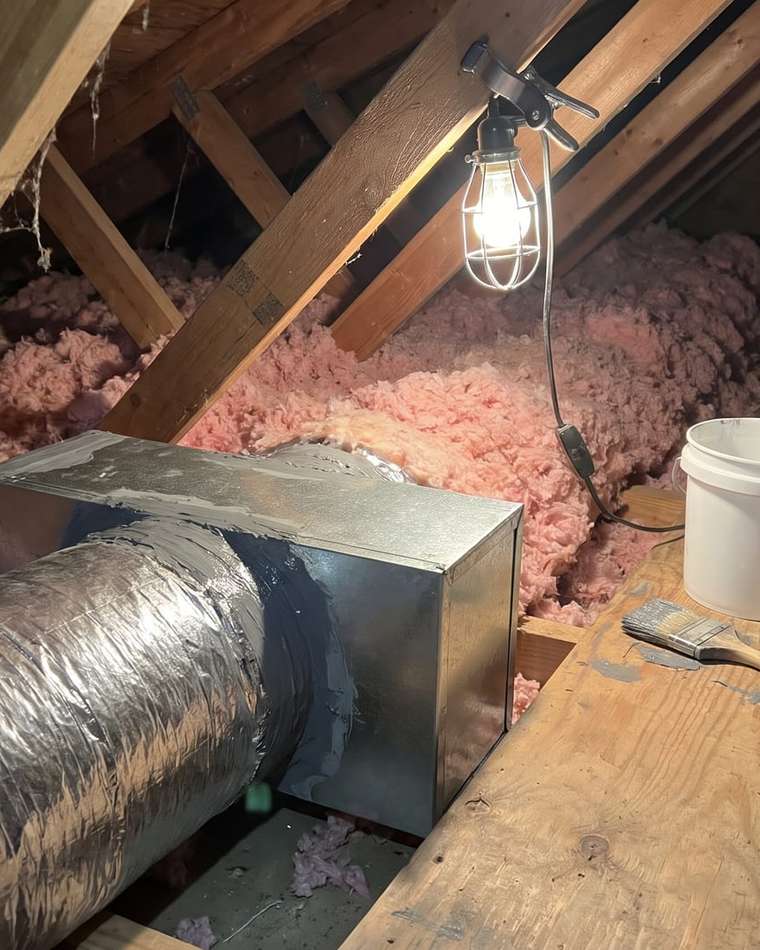
A new system cannot make up for ducts that lose air on the way. Old flex duct in a hot attic sags, tears and pulls loose at its joints, and the cooled air leaks out into the attic instead of the rooms.
When a system is replaced, a technician looks over the ducts as well: the connections at the plenum and at each vent, runs that are torn, crushed or sagging, the insulation around them, and whether the house has enough return air. Joints are sealed with mastic, damaged runs are replaced, and a house short on return air may need a larger grille or a second return.
Sealing or replacing ducts can also be a job of its own, for a house where a few rooms never cool as well as the rest.
Timing a Replacement
A system that gives out in July has to be replaced in a hurry, with the house heating up while you decide. Planning ahead leaves time to compare systems and choose a day for the work. If the old system has already stopped cooling, start with AC repair.
When is the right time of year to replace an air conditioner in Phoenix?
The cooler months, from late fall through early spring. The house can go without cooling while the work is done, and there is time to weigh the options instead of deciding in a heat wave.
Should the furnace be replaced along with the air conditioner?
Not always. The indoor coil sits on the furnace or air handler and has to match the new outdoor unit, so the coil is usually replaced either way. A furnace in good shape can stay if its blower can move the air the new system needs; one near the end of its life is often replaced at the same time, since much of the work overlaps.
What Affects System Choice
Beyond the size, the house itself steers the choice of system:
- Whether the house has ducts, how they are laid out and whether they leak.
- A gas line to the furnace, or an all-electric house.
- Room in the electrical panel for a larger circuit.
- Where the equipment can sit: on the roof, on a pad beside the house, or in the attic, a closet or the garage.
- A path for the refrigerant lines and the condensate drain.
- Rooms that take more heat than the rest, such as those with large west-facing windows or a vaulted ceiling.
- Rooms that need their own control, such as a home office or a guest room.
To see how a heat pump, a split system with a gas furnace and a ductless system differ on these points, compare them side by side before the assessment.
Replacing an old system or cooling a new room? Call to talk it over, or schedule an assessment.