
Commercial Heating and Cooling in Phoenix
Heating and cooling service for business owners and property managers, from a single unit to several buildings.
We repair, install and maintain heating and cooling for business owners and for the people who manage rental property. The job might be one rooftop unit over a shop, the split systems in a row of offices, or an apartment building where every unit has a system of its own.
Heating matters too. Offices, shops and apartments still need it on cold winter mornings, and we work on the heating side of furnaces, heat pumps and rooftop units as well as the cooling.
Property Types and Their Systems
Each kind of property has its usual equipment and its usual problems.
| Property Type | Typical Systems | Typical Service Needs |
|---|---|---|
| Offices | Packaged rooftop units or split systems; ductless heads in server and copier rooms | Thermostat faults, uneven cooling from office to office, regular filter changes |
| Retail | A packaged rooftop unit for each suite; split systems in smaller shops | Cooling that keeps up with a door opening all day, coil and drain cleaning, tune-ups before summer |
| Restaurants | Rooftop units over the dining room and the kitchen | Coils and filters coated by cooking grease, condensate drains kept clear, blower motor repairs |
| Multi-unit residential | A split system or heat pump for each unit; condensers on the roof or the ground | Repairs unit by unit, filter changes between tenants, drain lines that back up into ceilings |
| Light industrial | Rooftop units over the office area; split or ductless systems in the shop | Dust-loaded filters and coils, failed capacitors and fan motors, heat for the shop in winter |
Details for Each Unit or Suite
For a property manager sending work for someone else’s space, a request that answers these points saves calls back and forth before the visit.
- The property address, with the unit or suite number.
- An on-site contact: a name and a phone number for someone who can meet the technician.
- Access instructions: door or gate codes, where to pick up keys, how to reach the roof, and any notice the tenant needs.
- Where the equipment is (roof, closet, attic, mechanical room or side yard) and which unit serves which space.
- The problem: what the system is doing, when it started and any code showing on the thermostat.
Can the work be done while tenants or customers are inside?
Often, yes. Much of the work on a rooftop unit or in a mechanical room goes on with the business open. Work inside a unit or a suite is different: tenants need notice before anyone comes in, as their lease sets out, and the system may have to be off for a while.
In the request, give the hours the space is open, when tenants are home and any times to avoid.
Can one request cover several units or buildings?
Yes. List each unit on its own line with its address, unit number, contact, access notes and the problem, grouped by building, and name one person who can approve the work for all of them.
Who should approve repairs in a tenant’s unit?
Usually the owner or the property manager, not the tenant, unless the lease says otherwise. Put that person’s name in the request with a phone number that reaches them during the visit, so a repair doesn’t stall while someone waits for a yes.
Server Rooms, Rooftops and Line Sets
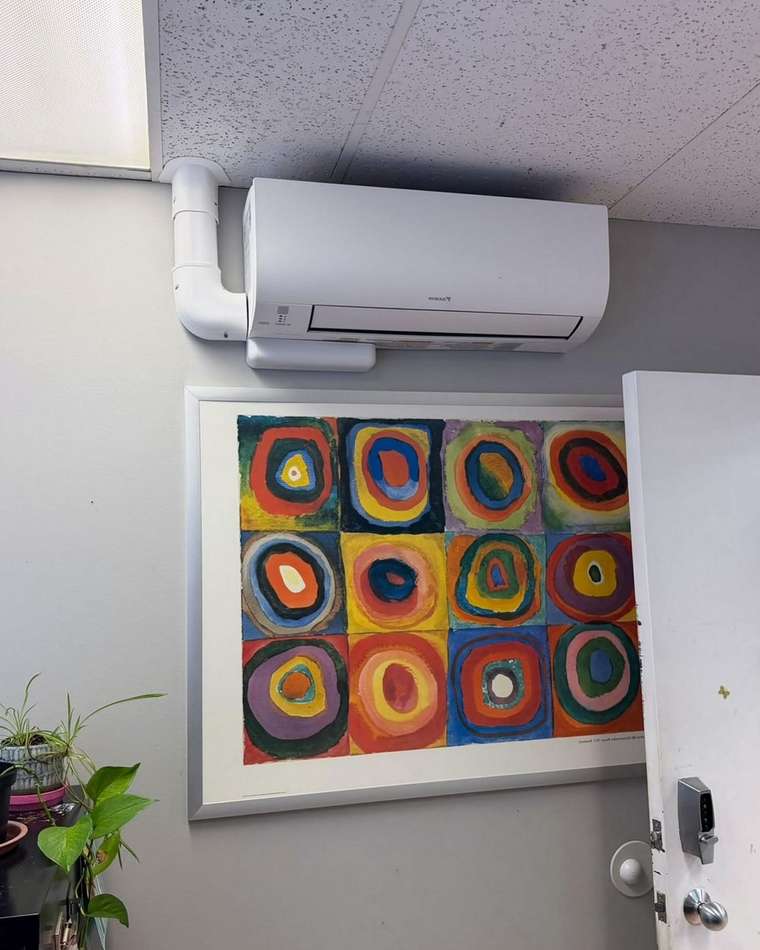
Some rooms need cooling of their own. A server closet, a copier room or an inside office with no return air can run warm all year, even in winter. A ductless head on the wall cools that room without changing the main system.
On the roof, a packaged unit holds the compressor, both coils and the blower in one cabinet, and many add a gas heat section. Its filters, belts and drain pan need regular attention, and reaching it safely takes a fixed ladder or a roof hatch that someone at the building can open.
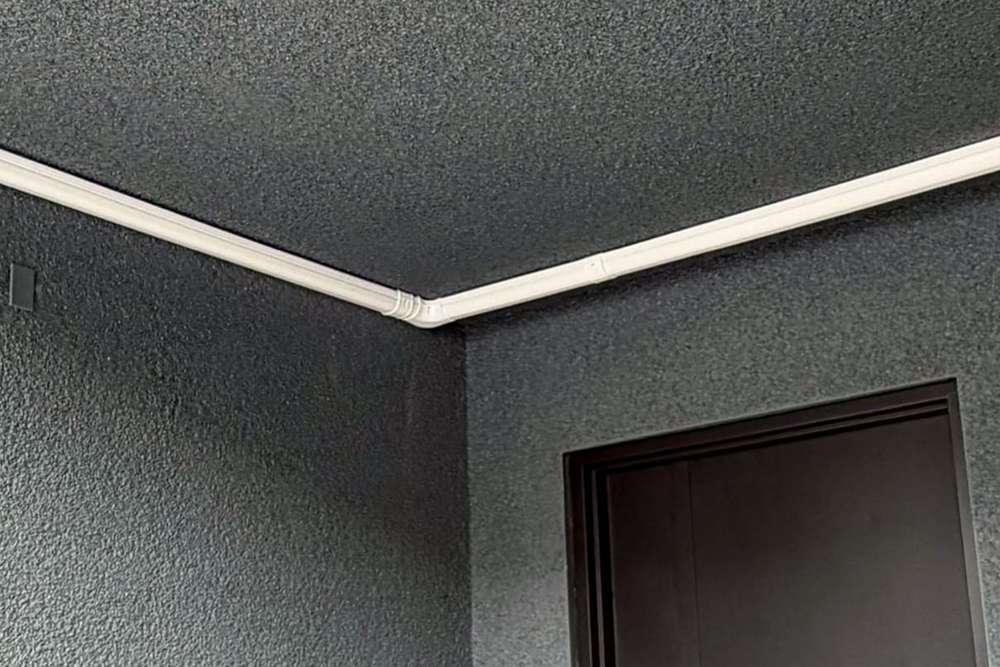
Outside, the line set between a condenser and the space it serves often runs along a wall. Left bare in the Phoenix sun, the foam insulation on the lines breaks down and falls away, and the system loses cooling along the run. A cover over the lines keeps the sun off them.
For one unit or a whole building, start with a call and the address.