Heating Service in Phoenix
Repairs and replacements for gas furnaces, heat pumps and the thermostats that run them.
Heating gets a short season in Phoenix, but desert nights in winter can turn cold, and a house without heat gets uncomfortable fast. Homes here heat with a gas furnace, a heat pump or both, and we repair and replace each kind, along with the thermostats that control them.
Furnace, Heat Pump and Thermostat Work
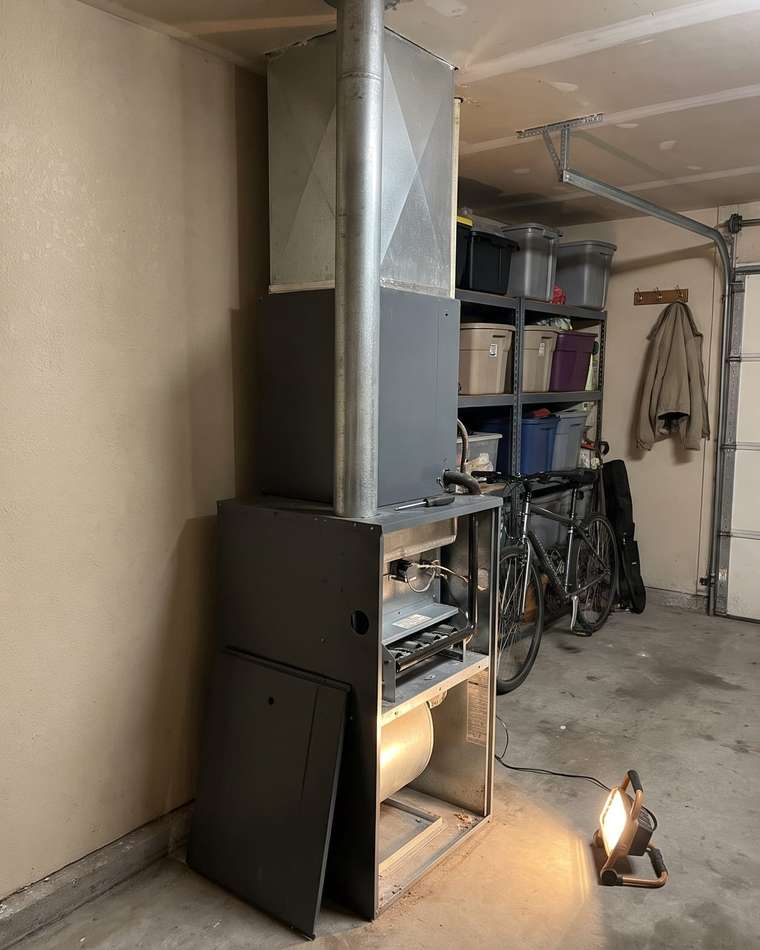
Our heating work covers:
- Furnace repair: gas furnaces that won’t light, light and then shut off, blow cold air or cycle on and off, down to the igniter, flame sensor, inducer and blower motors.
- Heat pump repair: heat pumps that blow cool air in heating mode, get stuck in one mode, stay iced over or lean on their backup heat.
- Heating installation: a new gas furnace or heat pump, sized for the house and matched to its ductwork.
- Thermostat replacement: a failed thermostat, or one that can’t run the system properly, such as an older model paired with a new heat pump.
A replacement is the moment to ask whether the same kind of system still makes sense. For heating, the first question is usually heat pump or gas furnace.
Heat Pump or Gas Furnace in a Mild Winter
Phoenix winters are mild enough that both kinds of heat do the job. The differences are in how the heat feels, what it runs on and how each handles the coldest mornings.
Is a heat pump enough to heat a home through a Phoenix winter?
On most winter nights, yes. A heat pump pulls heat from the outdoor air, and the Valley’s winter nights are mild enough for it to keep up. On the coldest early mornings it may bring in its electric backup heat to help. Homes with a gas line often keep a furnace instead, or pair a heat pump with a gas furnace that takes over when it gets colder.
Why does heat from a heat pump feel cooler than heat from a furnace?
A gas furnace sends out air that feels hot. A heat pump sends out air that feels warm rather than hot, and it runs longer, steadier cycles to reach the set temperature, so the house warms evenly instead of in bursts. That’s normal. Air that feels cool, or a house that never reaches the setting, is worth a repair visit.
When should I use the emergency heat setting on a heat pump?
Only when the heat pump itself has stopped working, such as when the outdoor unit is damaged or won’t run. Emergency heat switches to the electric backup strips alone. They keep the house warm but cost far more to run, so use the setting until the heat pump is repaired, not as an everyday mode.
Heating Problems and Their Signs
Heating trouble tends to show up the first cold week the system runs. Each problem has its telltale signs, and each sign points a technician to a short list of parts.
| Problem | Common Signs | Likely Area to Check |
|---|---|---|
| Furnace won’t light | Clicking or a hum, then no flame | Igniter, gas valve, pressure switch |
| Furnace lights, then shuts off | The burners go out after a few seconds | Flame sensor, venting, pressure switch |
| Furnace blows cold air | The fan runs, but the air stays cool | Thermostat fan setting, igniter, high-limit switch |
| Short cycling | The heat starts and stops every few minutes | Air filter, high-limit switch, thermostat placement |
| Loud bang at startup | A boom as the burners light | Burners, igniter and gas pressure |
| Heat pump blows cool air | Cool air in heating mode while the outdoor unit runs | Reversing valve, refrigerant charge, thermostat setup |
| Heat pump stays iced | Thick ice on the outdoor coil that doesn’t clear | Defrost control and sensor, outdoor fan, refrigerant |
| Backup heat runs constantly | “Aux heat” shows on the thermostat most of the time | Heat pump operation, thermostat setup |
| Burning smell | A dusty smell the first few times the heat runs | Dust on the heat exchanger or heat strips, or wiring if it lingers |
Gas Smells and Carbon Monoxide Alarms
If you smell gas, leave the house, do not switch anything on or off, and call the gas company or 911 from outside.
A gas furnace burns fuel, so carbon monoxide alarms belong on every level of the house and outside the bedrooms. Test them regularly and replace them when they reach the end of their life. If an alarm sounds, get everyone into fresh air, call 911 and stay out until responders say it’s safe.
Gas venting and carbon monoxide alarms are part of the safety and code rules that apply to furnace work.
Seeing one of these signs? Schedule a heating repair, or call if the house is getting cold.
Burners, Sensors and Heat Strips
A gas furnace lights in a set order. The thermostat calls for heat, the inducer motor clears the flue, a pressure switch confirms the draft, the igniter heats up, the gas valve opens and the flame sensor proves there’s a flame. Only then does the blower start moving warm air. A failure anywhere in that chain stops the heat, and many furnaces flash a code on their control board that tells a technician where to start.
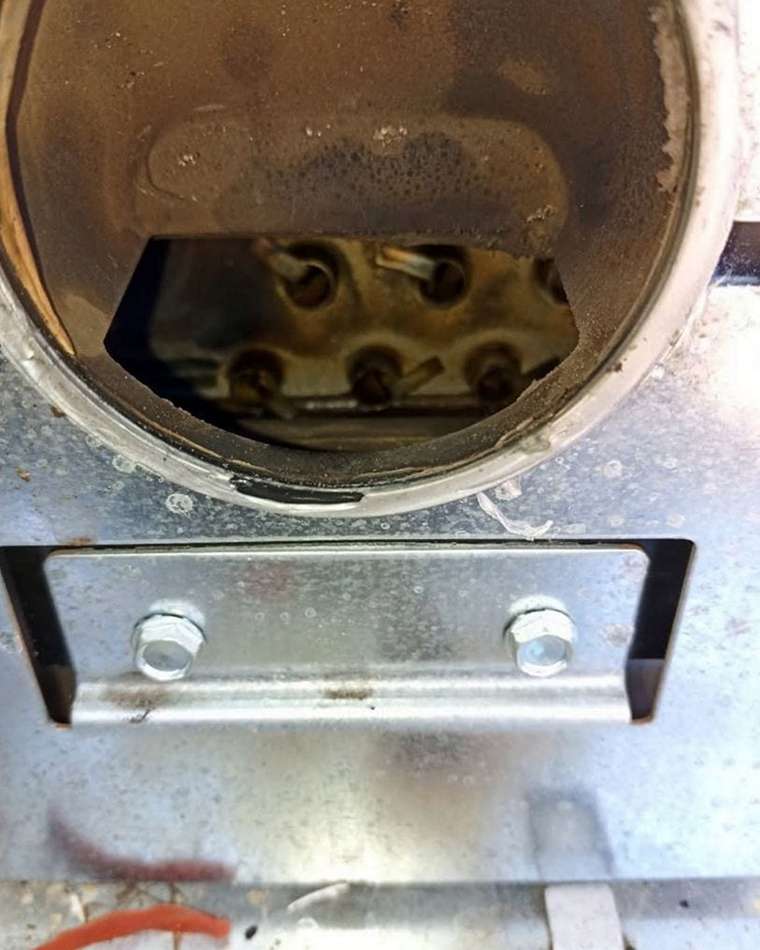
Soot is a warning of a different kind. Black deposits around the burners or the flue opening mean the gas isn’t burning cleanly, whether from dirty burners, a poor air supply or a venting problem, and they call for a close look at the heat exchanger and the vent.
Heat pumps have no flame at all. Their weak points are the reversing valve that switches the unit between cooling and heating, the defrost control that clears frost from the outdoor coil, and the electric heat strips that help out on the coldest mornings.
House not warming up? Call us, or schedule a heating visit.