
Our Approach to Heating and Cooling Work
How a repair or an installation generally goes, and the safety and code rules the work has to meet.
A capacitor swap and a new system look nothing alike on the day, but both follow the same path: find out what’s wrong, decide what to do about it, do the work, then test it before anyone calls it done.
Steps of a Typical HVAC Job
Assessment
A technician starts with what the system is doing and when it started, then checks the simple things first: the thermostat, the breaker, the outdoor disconnect and the filter. From there come the parts that tend to fail and the readings that show how the system is really running. When the trouble points to the ducts, the check moves into the attic. For a replacement, the assessment also takes in the house itself, with a load calculation for the new system.
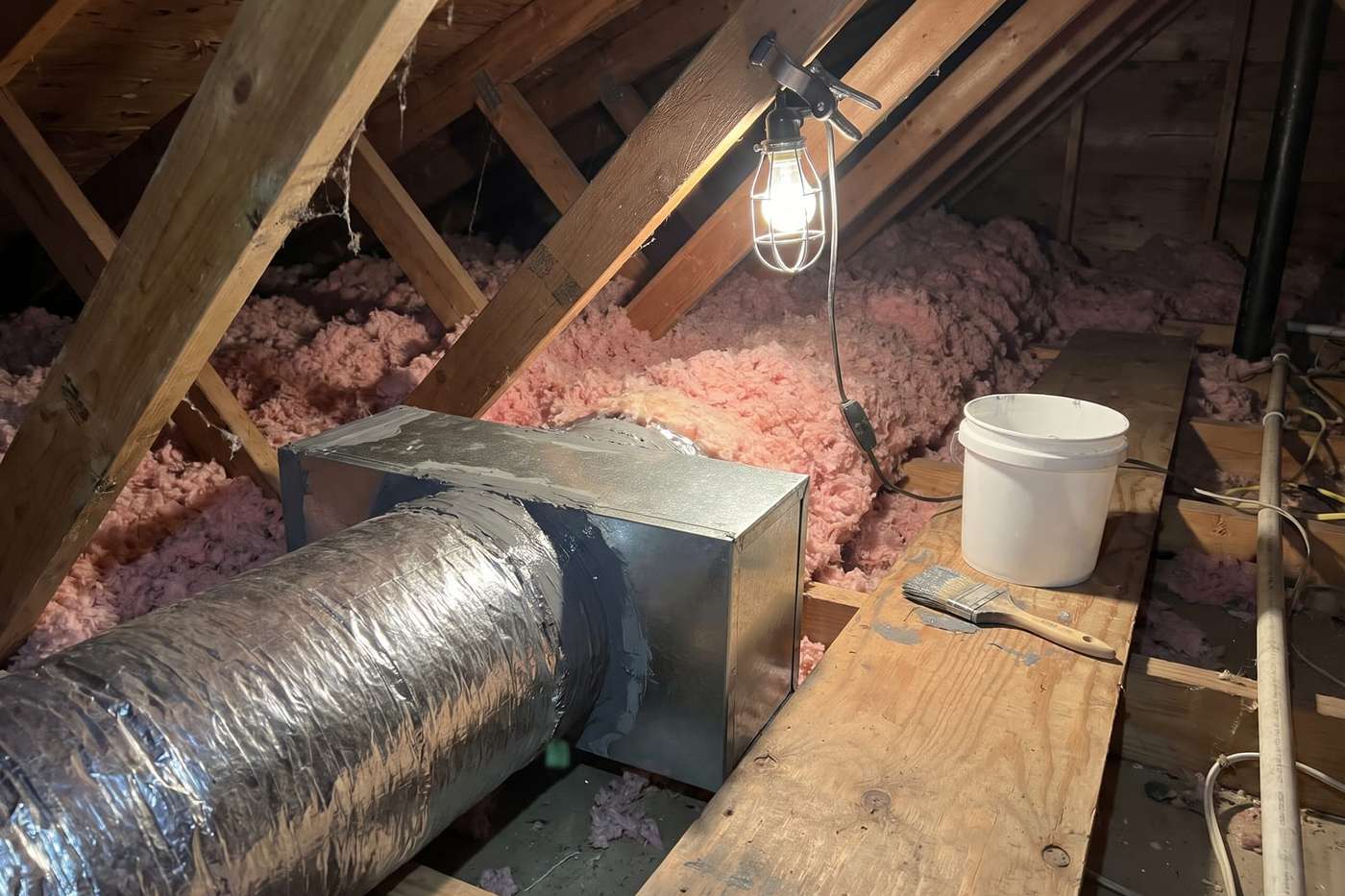
What you can do: mention anything that happened just before the trouble started, such as a storm, a power outage or a filter change, and any repairs the system has had before.
Options
Once the cause is clear, you hear what the fix involves. When the system is older or the repair is a big one, replacement belongs in the conversation too, with what each choice fixes and what it leaves alone. A replacement opens more choices: a heat pump or a gas furnace, ducts or ductless, the old ductwork sealed or replaced.
What you can do: ask what happens if you wait, which parts are worn but still working, and whether the ducts are part of the problem.
The Work
Before any panel comes off, the power is shut off at the breaker and the disconnect. A repair swaps the failed part for one matched to the equipment. An installation means recovering the refrigerant from the old system, setting the new equipment, running the line set, the wiring and the condensate drain, and sealing the duct joints with mastic where the new equipment meets the ducts.
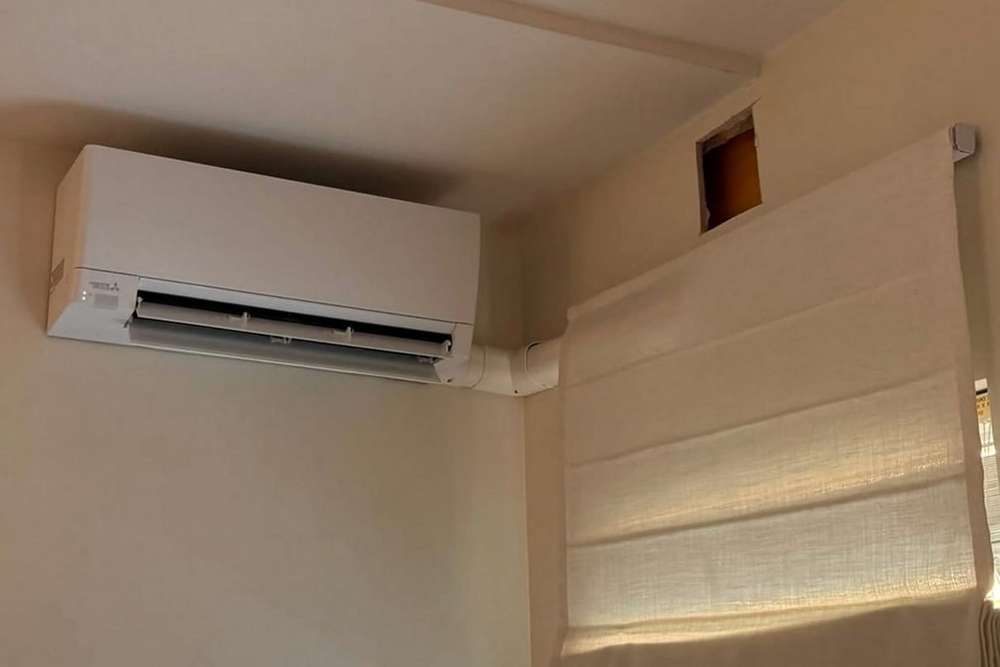
What you can do: keep children and pets clear of the work area, and on a hot day plan for the house to go without cooling while the system is off.
Testing
When the work is done, the system runs through full cycles. A technician measures the air going in and coming out, checks the refrigerant charge, watches the drain carry water away and, on a furnace, checks the flame and the venting. Vincent Taylor, who runs Norterra, adds one more check: before he leaves any job, he holds his hand to the vent farthest from the unit and waits until the air coming out is where it should be.
What you can do: over the next few days, notice whether every room reaches the thermostat setting, and call if you hear a new noise or see water where there shouldn’t be any.
Safety and Code Rules for HVAC Work
Heating and cooling work mixes high voltage, refrigerant under pressure, gas lines and rooftops, so the trade runs on rules. These apply on most jobs.
| Rule or Practice | What It Covers | Why It Matters |
|---|---|---|
| Permits and inspections | A permit from the local building department for new or replaced equipment, and an inspection once it’s in | An inspector checks the wiring, gas, venting and drainage against the building code |
| Refrigerant handling | Recovering, adding and disposing of refrigerant; federal rules require refrigerant to be handled by technicians certified under EPA Section 608 | Releasing refrigerant into the air is against federal law, and a wrong charge strains the compressor |
| Electrical disconnects and lockout | Power shut off at the breaker and the outdoor disconnect, then locked or tagged, before a cabinet is opened | Outdoor units run on high voltage, and a capacitor can hold a charge after the power is off |
| Gas and combustion venting | Gas connections tested for leaks, the flue checked for a clear, sealed path outside, and carbon monoxide alarms near the bedrooms | A leak or a blocked flue can put gas or carbon monoxide into the house |
| Equipment clearances and condensate drainage | Room around each unit for airflow and service; drain lines sloped, trapped and fitted with a safety switch or a pan | A crowded condenser runs hot, and a blocked drain can soak a ceiling or a closet |
| Roof and ladder safety | Ladders footed and tied off, care on tile and foam roofs, and water and shade breaks in the summer heat | Falls are among the worst injuries in the trade, and a cracked tile can let monsoon rain into the attic |
If You Smell Gas
Leave the house, do not switch anything on or off, and call the gas company or 911 from outside.
Does replacing an air conditioner or furnace need a permit?
Usually, yes. New or replacement equipment generally needs a mechanical permit from the building department of the city or town where the home is, with electrical or gas permits when those lines change. A repair that swaps a part, such as a capacitor or a blower motor, usually doesn’t.
The contractor installing the equipment normally applies for the permit and books the inspection once the work is in.
What does the inspector check after an installation?
The inspector compares the equipment with the permit, then looks at the disconnect and the wiring, the gas line and the flue on a furnace, the condensate drain, the clearances around each unit and the refrigerant lines. Anything that needs a change gets fixed and inspected again before the permit is closed.
Does someone need to be home for the inspection?
Usually, yes. The indoor unit, the attic hatch and often the electrical panel are inside, so someone has to let the inspector in. Inspections come with a window of time rather than an exact appointment; if you can’t be there, ask someone you trust to be.
Every job starts with an assessment, so call to set one up or schedule service online.